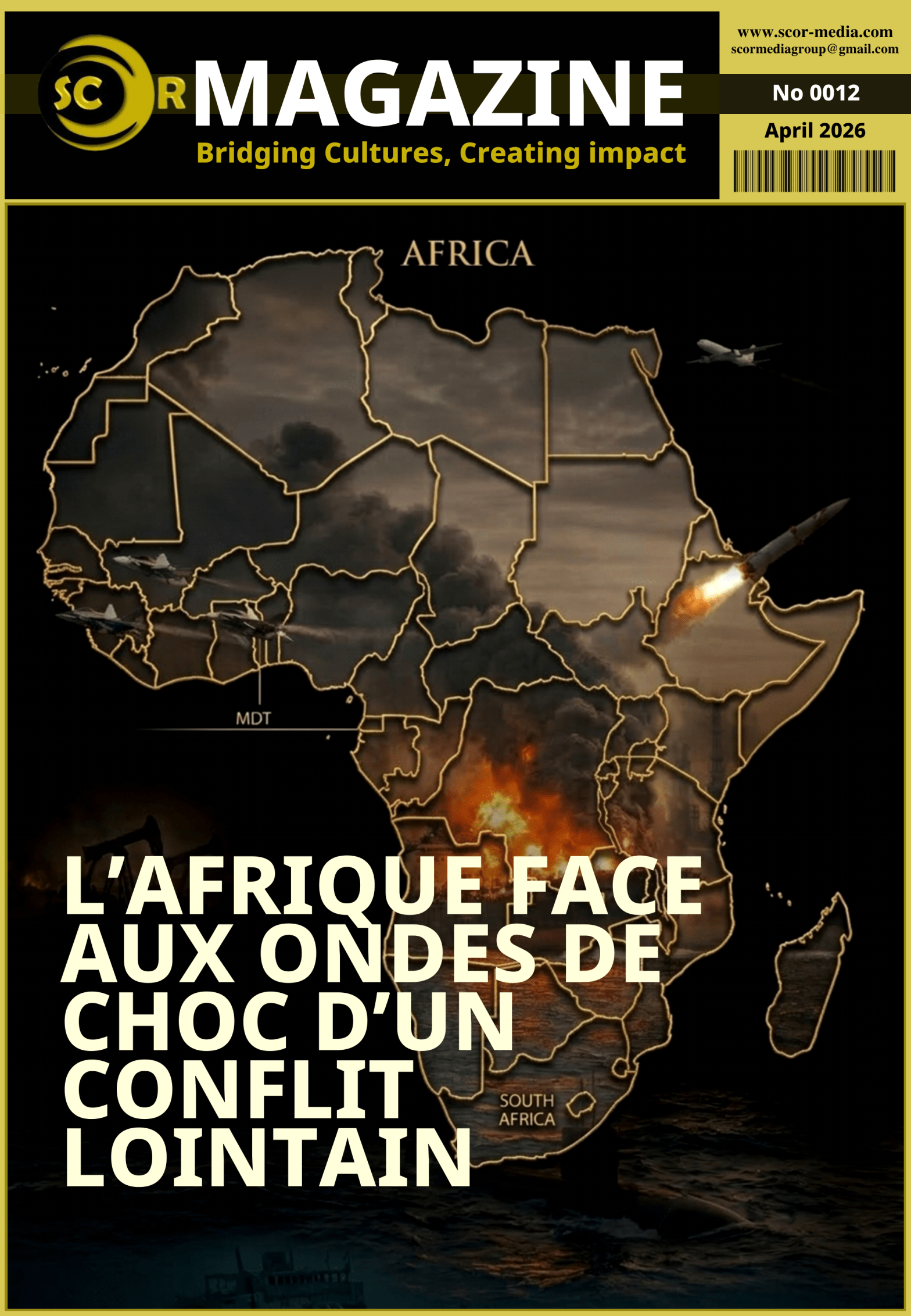
In a globalized world, no crisis remains confined to a single region. The tensions currently shaking the Middle East, particularly around Iran, are a reminder of how fragile and interconnected international balances truly are.
For Africa, the consequences of such crises can be far-reaching: soaring energy prices, disruptions in global supply chains, pressure on national economies, and the reshaping of diplomatic alliances. A conflict thousands of kilometers away can therefore have very real effects on the cost of fuel, the price of food, and the stability of markets.
Yet these global turbulences also reveal another reality: Africa’s growing strategic role in international economic and energy dynamics. Rich in natural resources, endowed with significant demographic potential, and positioned at the crossroads of major trade routes, Africa is increasingly becoming a highly sought-after partner.
In the face of global uncertainty, the challenge for African leaders is clear: strengthen the continent’s economic resilience, invest in energy sovereignty, and turn international crises into opportunities for development.
More than ever, Africa must define its place in the emerging new world order.
The 2025 Africa Cup of Nations did not just produce a winner, it exposed the deep flaws in the governance of African football.
CAF’s decision to strip Senegal of the title and award it to Morocco off the pitch, weeks after the final, has sent shockwaves across the continent.
Beyond the verdict itself, it is the very credibility of the competition that is now under scrutiny. Between delayed regulatory decisions, legal disputes, and potential appeals to the Court of Arbitration for Sport, AFCON 2025 leaves behind the image of a title decided more in offices than on the field.
More than ever, African football stands at a crossroads: restore trust, clarify its rules, and protect the very essence of the game, one that should be decided on the pitch, not behind closed doors.
 SCOR Media