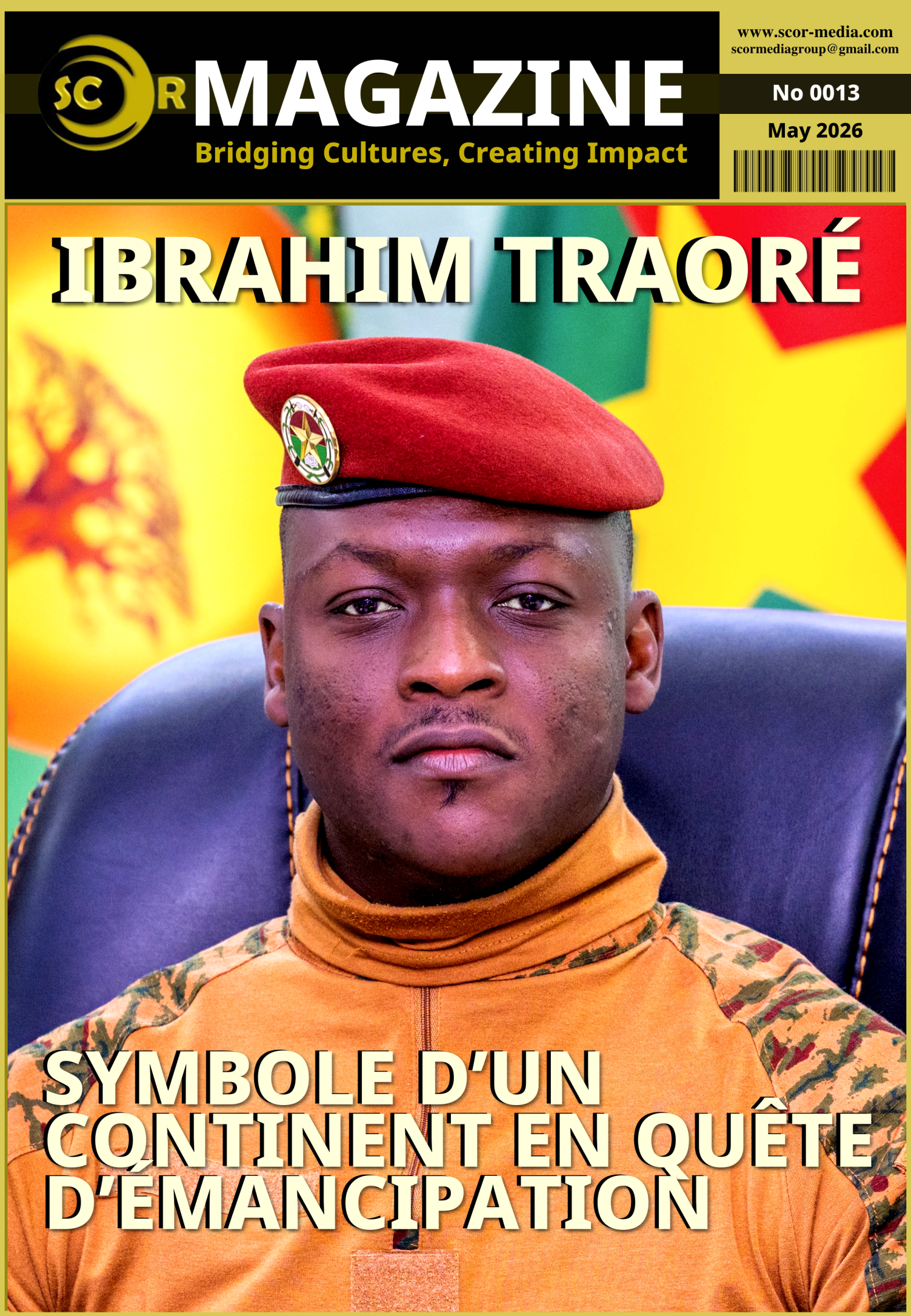
Africa is undergoing a profound phase of reconfiguration where every sector is becoming a strategic field. From culture to energy, from sport to space, a single movement is emerging: the determination to exist not as a periphery, but as a structuring actor in global power.
The idea of a New African New Year goes beyond mere celebration. It reflects a quest for symbolic sovereignty, the need to define one’s own benchmarks, temporal frameworks, and narratives. In a world dominated by the battle of imaginaries, controlling symbolism is itself a form of power.
On the economic front, energy has become a geopolitical instrument, and the challenge is no longer limited to extraction, but to transforming this wealth into leverage for negotiation and sovereignty. This is what explains the boycott by African countries of the African Energy Summit, to be held in Great Britain. In the same movement, Africa’s space ambitions mark a historic shift. The continent’s gradual entry into the space sector is not about prestige, but about technological sovereignty: data, connectivity, Earth observation, and digital independence are becoming structural priorities.
Culture, meanwhile, stands as Africa’s most visible tool of projection. Music, cinema, and digital creation: Africa is now shaping global trends. But this influence remains incomplete as long as it is not supported by strong industries capable of controlling production, distribution, and the economic value of content. The issue of art restitution extends this dynamic. It is not merely a heritage gesture, but a question of historical legitimacy and narrative reappropriation. Art thus becomes a space of political and memorial confrontation.
Finally, the 2026 World Cup highlights a persistent contradiction: a proclaimed universality that remains uneven in practice. Economic and administrative barriers imposed on many African supporters reveal the concrete limits of global inclusion.
Across these different fields, a common reality emerges: Africa is gaining visibility but still seeking structural consolidation. The main challenge is no longer expressing its potential, but transforming it into organized power.

