THE RISE OF A CREATIVE AFRICA: THE NEW PAN-AFRICANISM OF TALENT, INNOVATION, AND SOVEREIGNTY
For decades, Africa was often portrayed through the lens of crises, dependency, and instability. Today, however, the continent is writing a different story, one driven by a generation that dares to innovate, create, research, produce, and influence. Modern Pan-Africanism is no longer confined to the political rhetoric inherited from the independence era; it now takes the shape of tech startups, scientific research, innovative industries, cultural leadership, and continental economic ambitions.
The stories featured in this edition reflect this profound transformation. Faced with the challenge of industrialization, African SMEs are striving to build models capable of transforming the continent’s resources locally. In the agricultural sector, initiatives such as FarmEase demonstrate how technology can become a powerful tool for African food sovereignty.
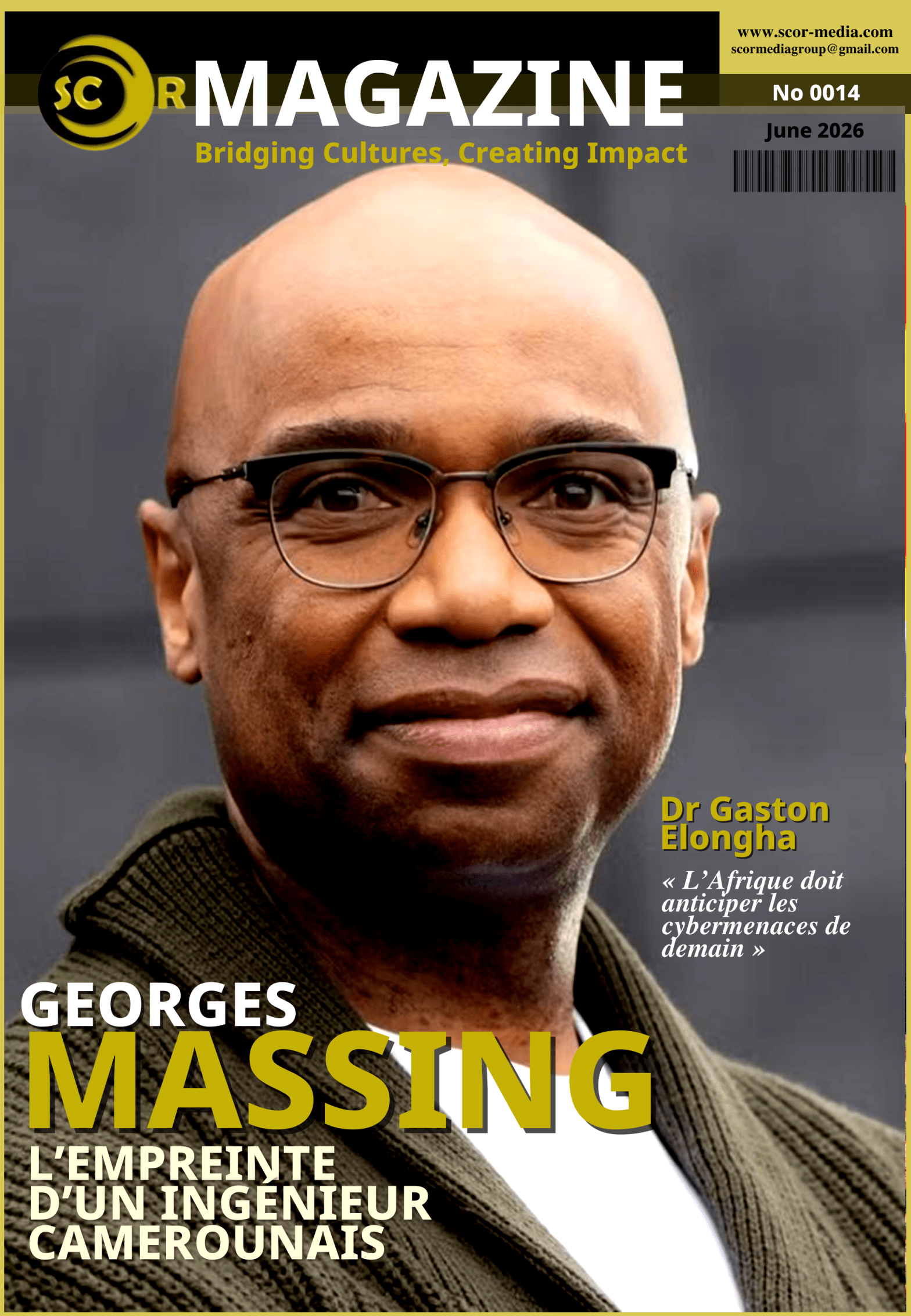
This momentum is equally visible in science and technology. In Benin, Marielle Agbahoungbata is using artificial intelligence to address challenges related to access to clean water. In Gabon, Michkath Omanda Bouraima contributes to global research on the reliability of AI systems. The journey of Georges Massing within the international automotive industry, as well as the recognition of Dr Gaston Elongha Lowolo in the United States, prove that African talents are now playing an active role in major global technological transformations.
Yet, this advancing Africa is not limited to laboratories and research centers. The story of Brightgrillzz in Nigeria illustrates the rise of borderless African entrepreneurship. Meanwhile, the journey of His Majesty Simon Bell reminds us that modernity and tradition can coexist within contemporary Africa.
Even the African diaspora contributes to this dynamic, as demonstrated by Africa Day Australia 2026 in Melbourne, a symbol of an Africa whose influence now extends across the globe.
The real challenge ahead is clear: transforming these individual achievements into collective continental power. Because the 21st century could well become the century of an Africa that no longer seeks merely to exist in the world, but to help redefine it.

